
Long before Steins;Gate introduced its readers to worldlines, divergence percentages, and messages sent through time, the internet was already captivated by a man claiming to be a time traveler from the year 2036. His name was John Titor.
Between 1998 and 2001, Titor’s messages appeared on radio programs and internet forums, posting detailed explanations of time travel, future history, and an upcoming world war. Unlike many internet hoaxes of the era, his story was remarkably elaborate. He provided technical diagrams of his alleged time machine, photos, answered hundreds of questions from skeptical users, and built a surprisingly consistent narrative that remains discussed more than two decades later.
Whether Titor was a genuine believer, an elaborate roleplayer, or part of a larger hoax, his influence can still be felt today, particularly among fans of Steins;Gate, where many of his ideas became central elements of the story. As always you can watch the video, or read the article below.
John Titor first emerged in 1998 through a series of faxes sent to radio host Art Bell during broadcasts of Coast to Coast AM. In these messages, Titor claimed to be a traveler from the year 2036. According to him, practical time travel had been developed by CERN in 2034 and was based on the many-worlds interpretation of quantum mechanics.
Rather than changing the past, traveling through time created a new timeline that diverged from the original one. Every journey generated a slightly different reality, meaning that paradoxes could not occur because travelers never truly returned to their own past. This idea would later become one of the central concepts of Steins;Gate.
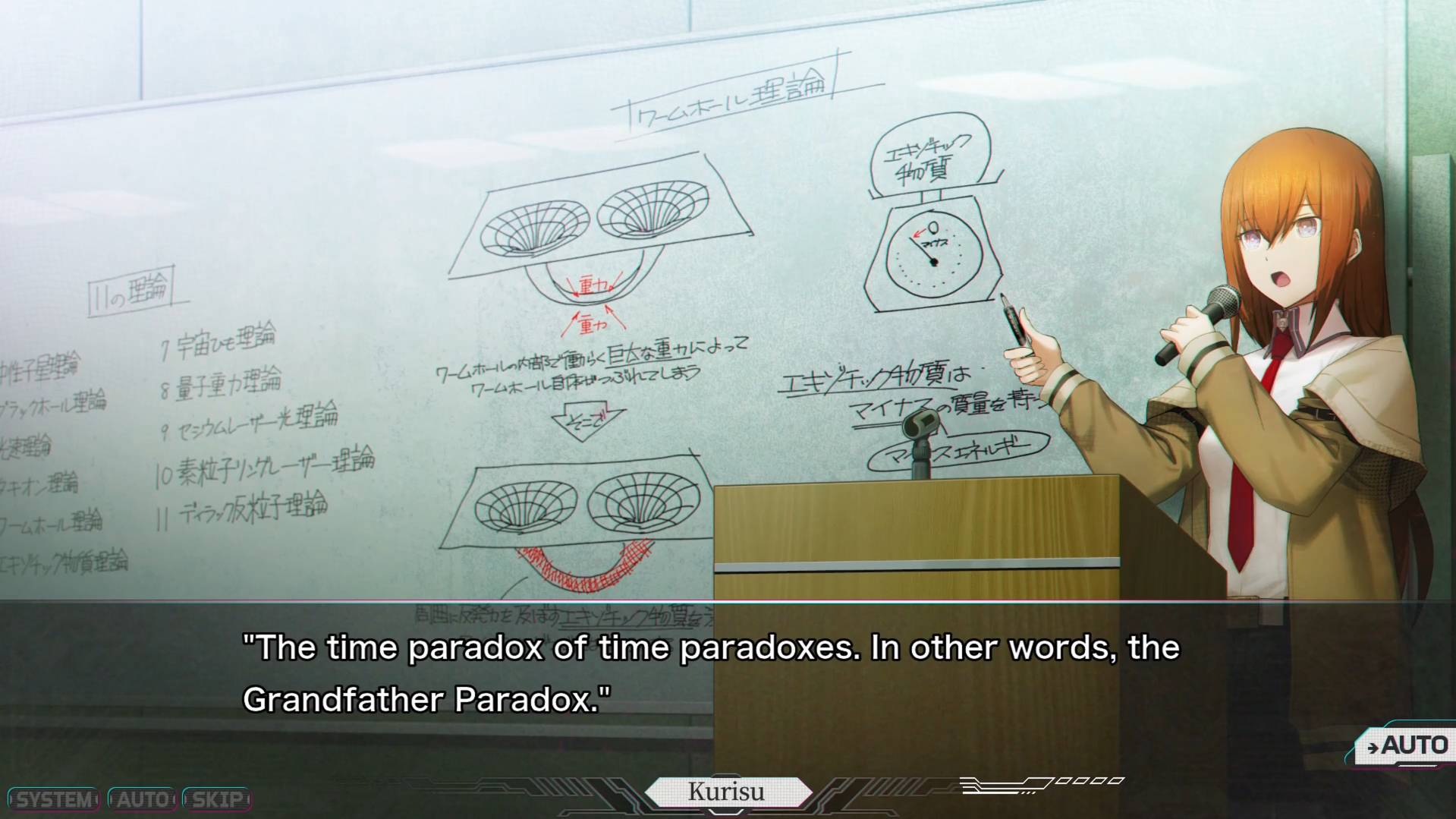
Among Titor’s most unusual claims was a warning about the year 2564. According to him, no time traveler had ever successfully traveled beyond that point. Every attempt reportedly led to an empty void where nothing existed.
Titor suggested that something catastrophic happened around the year 2000 that ultimately damaged the future of humanity. He claimed that many time travelers were investigating history in an attempt to understand what caused this mysterious collapse.
Unlike many of his later predictions, this idea received relatively little attention at the time, but it remains one of the strangest elements of the Titor narrative.
Titor also described a future heavily affected by the Y2K computer problem. In his timeline, Y2K allegedly caused widespread power outages, infrastructure failures, and deaths during severe winters. The United States government responded by imposing martial law in an effort to maintain order.
He further claimed that tensions in the Middle East eventually escalated into a nuclear conflict involving Iraq and Israel, setting humanity on a path toward global instability.
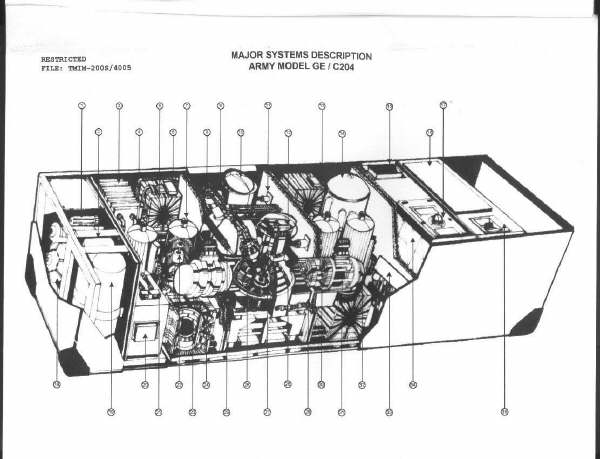
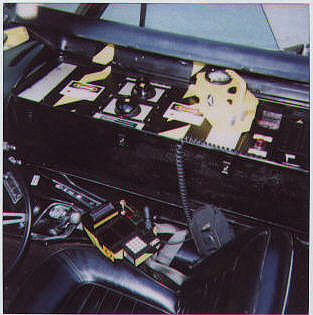
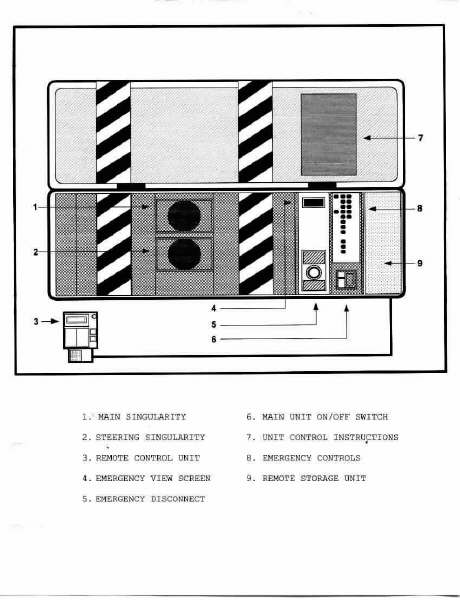
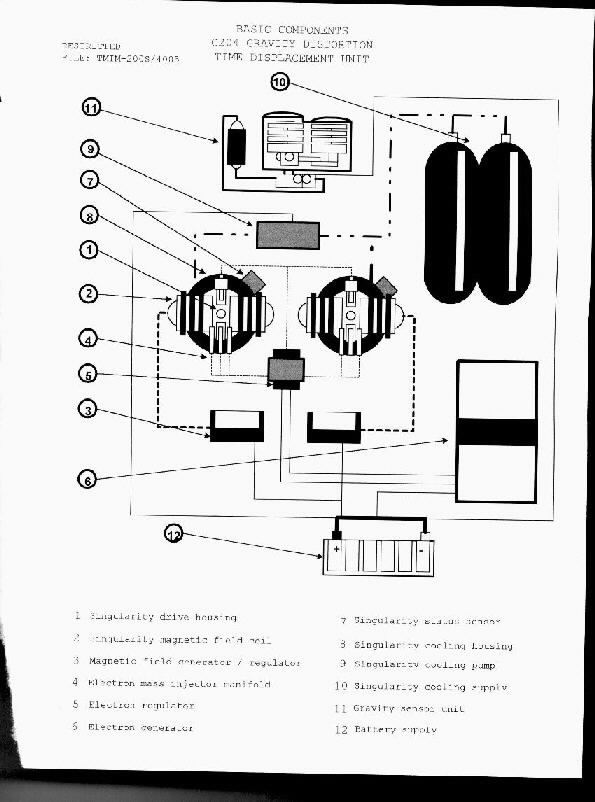
Shortly after the initial faxes, Titor submitted additional materials that attracted enormous attention. These included photographs of his alleged time machine and scans of technical documentation describing a device known as the C204 Gravity Distortion Time Displacement Unit.
According to the documents, the machine had been developed by General Electric and operated by creating microscopic singularities capable of bending space-time. The material included detailed diagrams, engineering schematics, graphs, operational instructions, and photographs mounted inside a car. Even skeptics acknowledged the amount of effort invested in producing the supporting evidence.
After disappearing for nearly two years, Titor resurfaced in late 2000 on the Time Travel Institute forums under the username “TimeTravel_0.” This is where the majority of the John Titor story was told.
He introduced himself as a military member stationed in Florida in the year 2036. His mission, he claimed, was to travel back to 1975 and retrieve an IBM 5100 computer.
According to Titor, the IBM 5100 possessed an undocumented capability that allowed it to emulate and debug legacy computer systems. In 2036, this feature was supposedly needed to solve major software problems affecting critical infrastructure.
Titor claimed that IBM never publicly advertised this capability and that future engineers required access to one of the original machines. To ensure the computer would function correctly, he also needed assistance from one of the engineers who worked on the project in 1975.
Years later, former IBM engineers confirmed that the machine did possess little-known emulation capabilities, giving Titor’s story one of its most discussed coincidences.
As forum discussions continued, users repeatedly asked Titor about the future. His answers painted a grim picture. According to Titor, civil unrest in the United States would begin around 2004 and gradually escalate into a nationwide civil war. He described the conflict as “city versus country” and “power versus no power.”
Rather than a traditional military confrontation, Titor imagined a slow breakdown of social order that intensified over roughly a decade.
He claimed that a desperate government would increasingly erode constitutional rights in an attempt to maintain control. The conflict would eventually divide the country into five major regions, each pursuing different political and military objectives.
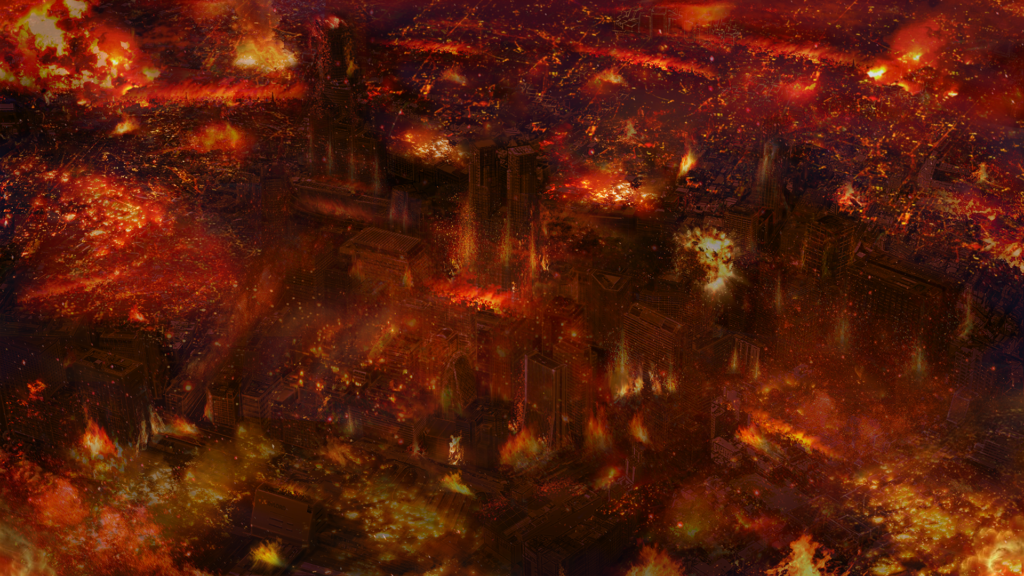
By 2015, the conflict culminated in a brief world war when Russia launched nuclear strikes against the United States, Europe, and China. According to Titor, approximately three billion people died as a result of the fighting and its aftermath.
Despite the devastation, Titor did not describe his future as dystopian. In many ways, he believed society had improved. Large corporations had largely disappeared. Communities focused on local production, agriculture, and self-sufficiency. Food was grown locally, products were manufactured closer to home, and people relied more heavily on family and community networks.
Titor frequently contrasted this world with what he viewed as the excessive consumerism of the early 2000s. One particularly personal story involved Jacksonville, Florida, which he claimed had been destroyed during the nuclear war. According to Titor, the attack killed a woman he loved. Moments like these gave the story an emotional quality that helped distinguish it from many other internet hoaxes.
Titor also provided surprisingly practical descriptions of time travel itself. According to him, travelers entered coordinates into the machine before being strapped into a seat. An alarm would signal the beginning of the jump. The experience felt similar to riding in an elevator. During transit, the vehicle appeared to accelerate while bright flashes of light surrounded it. The flashes were intense enough that he often wore sunglasses to protect his eyes. The outside of the vehicle became extremely hot, requiring all windows to remain closed. Traveling ten years into the past took roughly one hour.
Outside the vehicle, everything appeared completely black before reality gradually faded back into view. He also claimed the machine carried some dirt and debris along with it during transit. These mundane details contributed significantly to the realism of his story.
In March 2001, Titor announced that his mission was nearly complete. He claimed he had roughly thirty days remaining before returning to 1998 and eventually continuing to 1975. Before disappearing, he reiterated several predictions. He warned that the United States would begin experiencing major unrest around 2004 and stated that by 2008 people would realize the world they once knew was gone. Shortly afterward, John Titor vanished from the internet and never returned.
As John Titor’s popularity grew, so did efforts to uncover his identity. One of the most extensive investigations focused on attorney Larry Haber, who acted as a representative for a company known as the John Titor Foundation. Haber became one of the primary public figures associated with the story and claimed family connections to Titor.
Investigators also examined the possibility that Larry’s brother, computer expert John Haber, may have been responsible for creating the posts. His technical background and familiarity with computers made him a plausible candidate in the eyes of many researchers.
Over the years, numerous theories have emerged. Some believe Titor was a carefully planned work of fiction created by a small group of people. Others suspect it began as an online roleplaying experiment that unexpectedly became famous.
Despite years of investigation, no definitive evidence has ever emerged and more than twenty-five years later, the true identity of John Titor remains unknown.
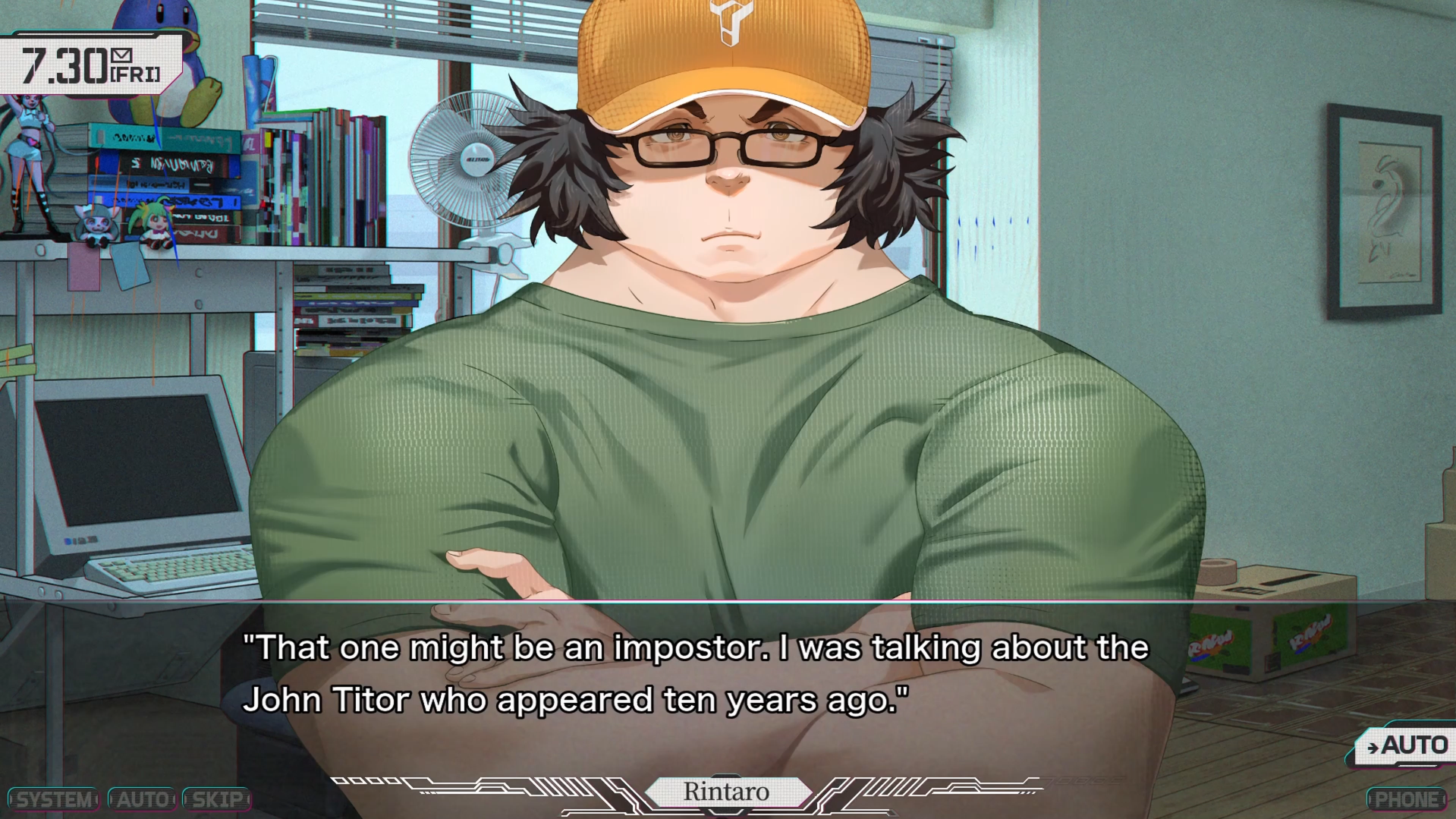
One of the reasons John Titor’s story remains fascinating is that many of his predictions were specific enough to be verified. Unlike vague prophecies that can be interpreted in multiple ways, Titor provided dates, events, and detailed descriptions of future history.
Perhaps his most famous prediction was that the United States would enter a civil war beginning around 2004. Titor described the conflict as a gradual breakdown of society that would intensify over the following decade. This never occurred.
He also predicted that by 2008 people would realize that “the world they thought they were living in was over.” While the global financial crisis occurred that year, it bore little resemblance to the collapse he described.
His timeline further claimed that a brief but devastating World War III would occur in 2015, during which Russia would launch nuclear strikes against the United States, Europe, and China. 2015 came and went without a nuclear conflict.
Other predictions proved equally inaccurate. Titor suggested that the Olympic Games would cease after 2004, that the United States would eventually reorganize into five regions, and that global politics would be radically reshaped by the collapse of Western influence. The Y2K problem also failed to produce the catastrophic consequences he claimed had occurred in his original timeline.
Supporters of the story often point to Titor’s explanation of world line divergence as a convenient answer. Since he repeatedly stated that he arrived in a timeline that differed by one or two percent from his own, believers argue that his predictions may have failed simply because our world was never identical to the one he left behind. Believers point out that Titor did not mention the attacks of 9/11, which they believe were the turning point in which our timeline diverged from Titor’s original one.
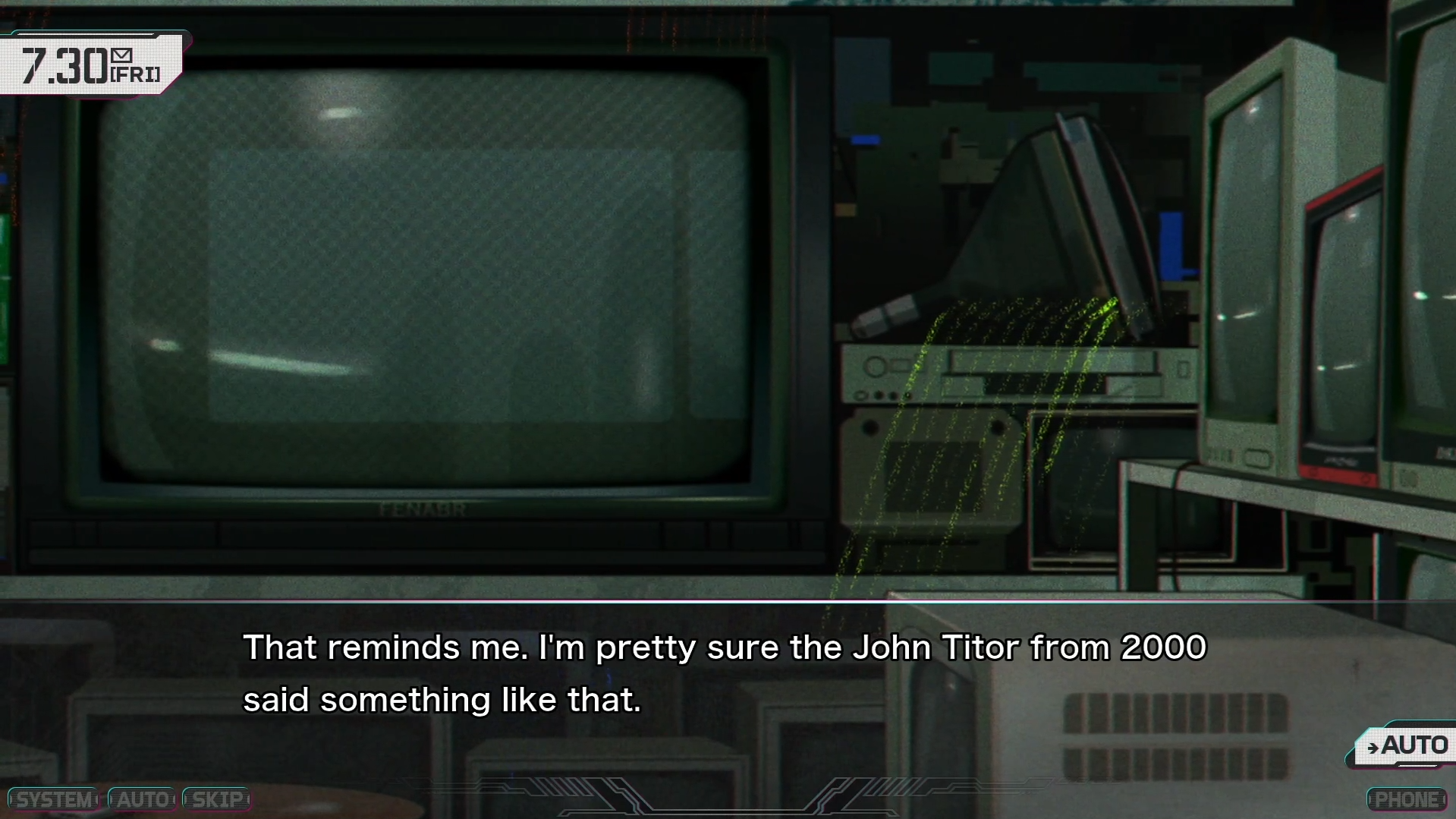
For Science Adventure fans, the most fascinating aspect of the story is how much of John Titor’s original narrative eventually found its way into Steins;Gate. The connection goes far beyond simply borrowing his name.
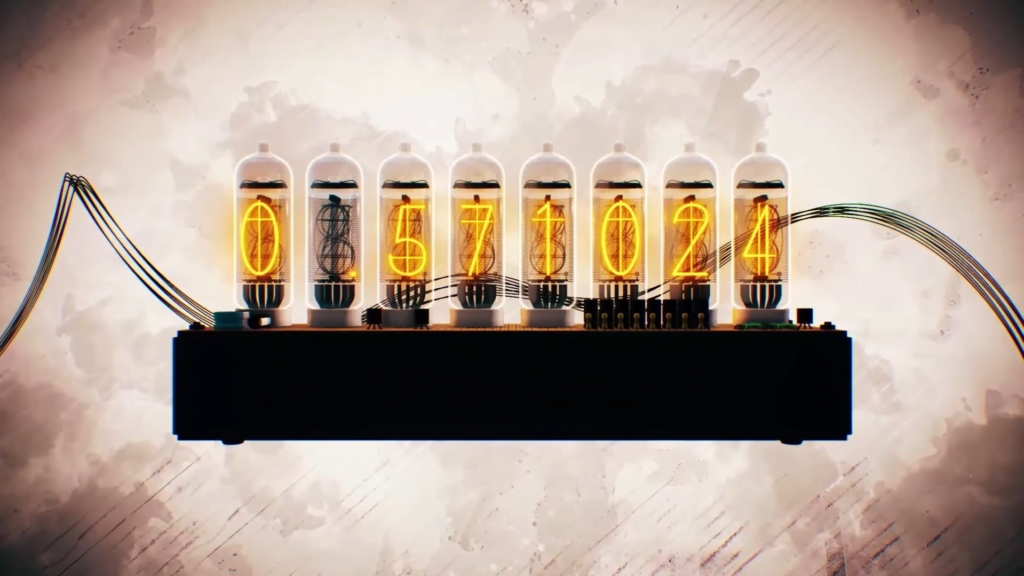
In the original forum posts, Titor explained that time travel creates alternate world lines rather than changing a single timeline. This concept became one of the core foundations of Steins;Gate’s story. The visual novel also adopts Titor’s idea of divergence between timelines, transforming it into the Divergence Meter used throughout the game. Several other elements appear to have been directly inspired by the real story like Titor’s mission to retrieve an IBM 5100. CERN’s role in the development of time travel is adapted into the fictional organization SERN. The future war described by Titor echoes several future world lines shown throughout the story.
The writers did not simply copy the original story. Instead, they used it as a foundation upon which they built an entirely new narrative involving the Future Gadget Laboratory, D-Mails, and Reading Steiner.
As a result, many fans who first encounter John Titor through Steins;Gate are surprised to discover just how many concepts originated from real internet forum posts written years before the visual novel was released.
Reading the original John Titor posts in 2026 is a very different experience from reading them in 2001. The future he described has already passed. The civil war never happened. World War III never came. His warnings about Y2K proved unfounded. Yet the story remains compelling.
Part of its appeal comes from the incredible amount of detail that went into constructing the narrative. Another part comes from the fact that it serves as a time capsule of the fears, hopes, and technological anxieties that defined the turn of the millennium.
Most importantly for Science Adventure fans, John Titor’s legacy extends far beyond the internet forums where it began. His ideas helped inspire one of the most influential visual novels ever created, ensuring that even decades later, new generations continue to discover his story.
Whether John Titor was a time traveler, a storyteller, or simply one of the internet’s earliest master roleplayers, his tale remains one of the most fascinating mysteries of the online age.
This article was largely based on reading John Titor’s original forum posts, many of which have been archived online and remain available to this day. If you found the story interesting, we highly recommend reading through some of the original discussions yourself. Beyond the famous predictions and time travel theories, the posts provide a fascinating glimpse into one of the internet’s earliest and most enduring mysteries.
And if you’re a Steins;Gate fan, we have one final recommendation: put on “Gate of Steiner” or “Messenger” while reading. Revisiting Titor’s posts with the music playing in the background creates a surprisingly immersive experience, making it easy to imagine yourself scrolling through @channel and witnessing the events that inspired one of Science Adventure’s most beloved stories.




KKB Community
0 comments