
MAGES. has showcased Juggernaut, a new retro-inspired first-person shooter developed using generative AI, at Tokyo Game Dungeon 14. The game was exhibited by the company’s small development team, Future Gadget Laboratory, on October 31, 2026.
The project explores how much of the game development process can a single person complete with the assistance of artificial intelligence? According to the developers, generative AI was used extensively throughout production, including for the game’s entire source code.
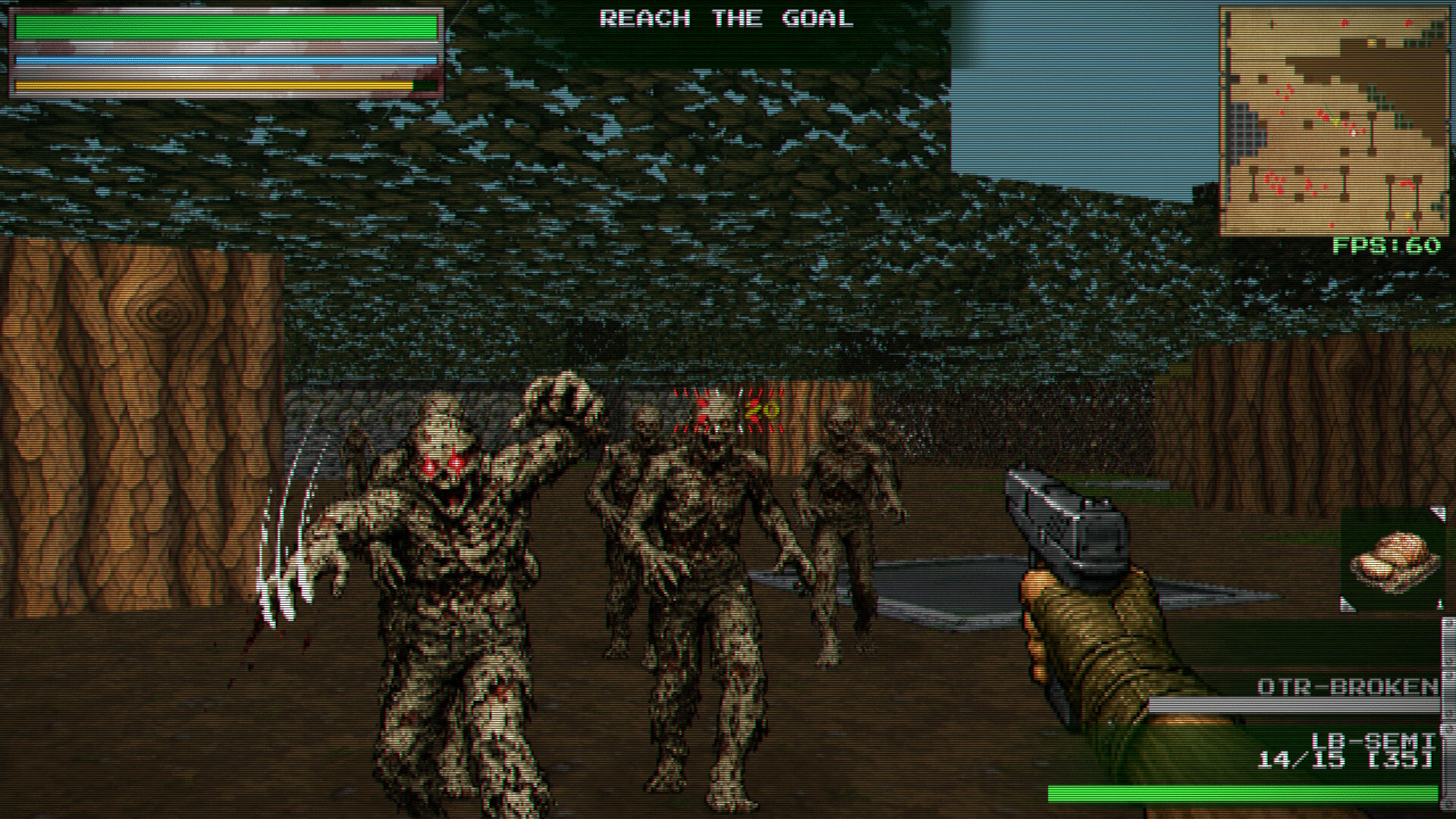
Juggernaut originated from an experimental project at MAGES., exploring the possibilities of using AI to make game development more accessible. According to the company, the game was directed by someone who does not specialize in programming or asset creation. Nevertheless, the project involved developing a pseudo-3D game engine using raycasting, alongside redefining the development workflow with the assistance of AI.
The developers have also provided a breakdown of the game’s AI-generated content on its Steam store page:
- Source code: 100%
- Graphics: 60%
- Sound: 50%
- Effects: 100%
These figures illustrate just how extensively generative AI was incorporated into the project, with both the source code and effects being entirely AI-generated according to the developers’ disclosure.
The project is being handled by Future Gadget Laboratory, a small independent development team established by MAGES. to explore new technologies and approaches to game creation. The team is particularly interested in artificial intelligence and its potential to lower the barriers to game development, allowing more people to independently bring their creative ideas to life.
MAGES. also prepared a free booklet titled How to Make Juggernaut – How to AI Coding, written by the game’s director and distributed to visitors at Tokyo Game Dungeon 14. The booklet introduces the project’s development process and is intended as a practical resource for creators interested in experimenting with AI-assisted game development.
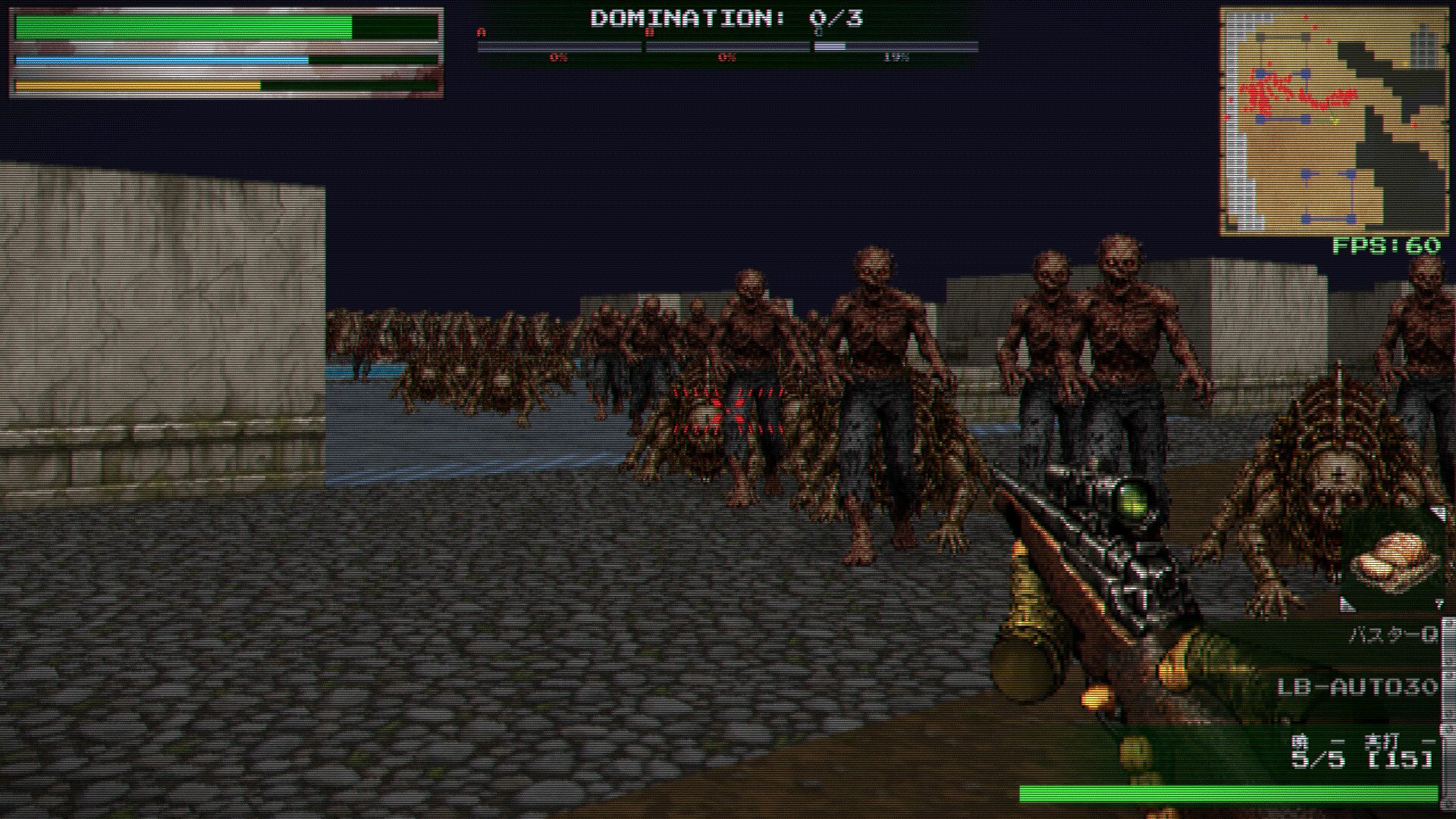
Beyond its unusual development process, Juggernaut is a high-speed single-player FPS featuring visual presentation inspired by first-person shooters of the 1990s. The game uses raycasting to simulate a three-dimensional environment, rather than relying on conventional 3D rendering.
According to a hands-on report published by Japanese gaming outlet Gamer on November 2, visitors to Tokyo Game Dungeon 14 were able to try several different gameplay experiences. These included a Story Mode, where players explore stages while managing limited ammunition and collecting supplies, as well as a survival mode called The Juggernaut, in which players must fend off hordes of attacking zombies. The event also featured an exclusive tutorial stage created specifically for the exhibition, demonstrating some of the game’s level design possibilities.
Despite its unconventional development process, the hands-on report described the game as running smoothly and found the gameplay itself enjoyable.
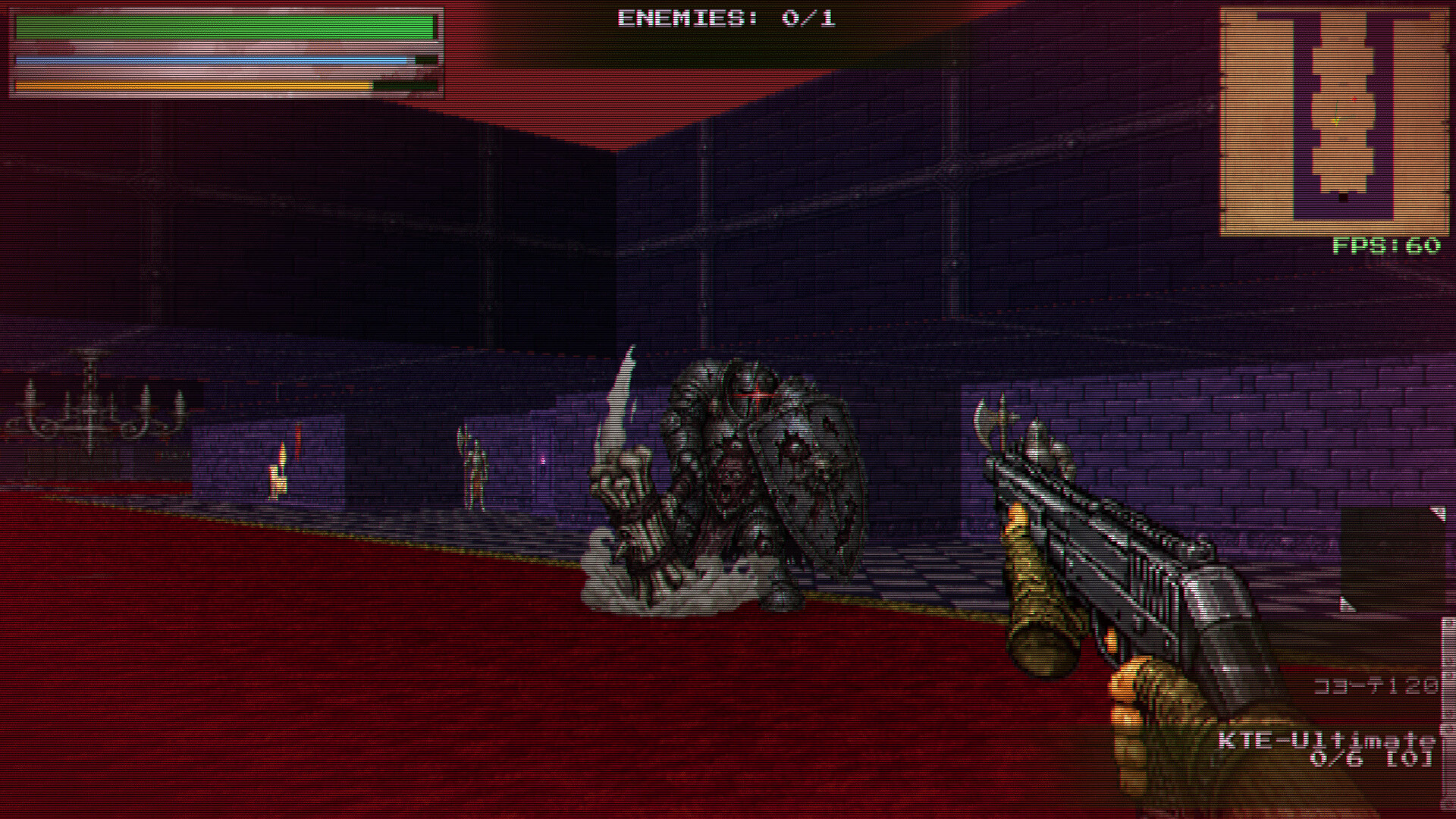
Alongside the main game, MAGES. is also preparing Juggernaut Asset Maker Pro, a separate downloadable content package designed to let players create and customize their own content. The toolkit includes nine different editors and utilities, covering everything from map creation and enemy customization to weapons, items, sound effects and user interface elements. It also features a Stage Packer that allows creators to combine their custom maps and game data into distributable files.
The package will also include the original asset data used to create stages featured in Juggernaut, giving players additional resources for their own creations. Interestingly, Asset Maker Pro also has its own AI-generated content disclosure on Steam, stating that its source code was generated using generative AI.
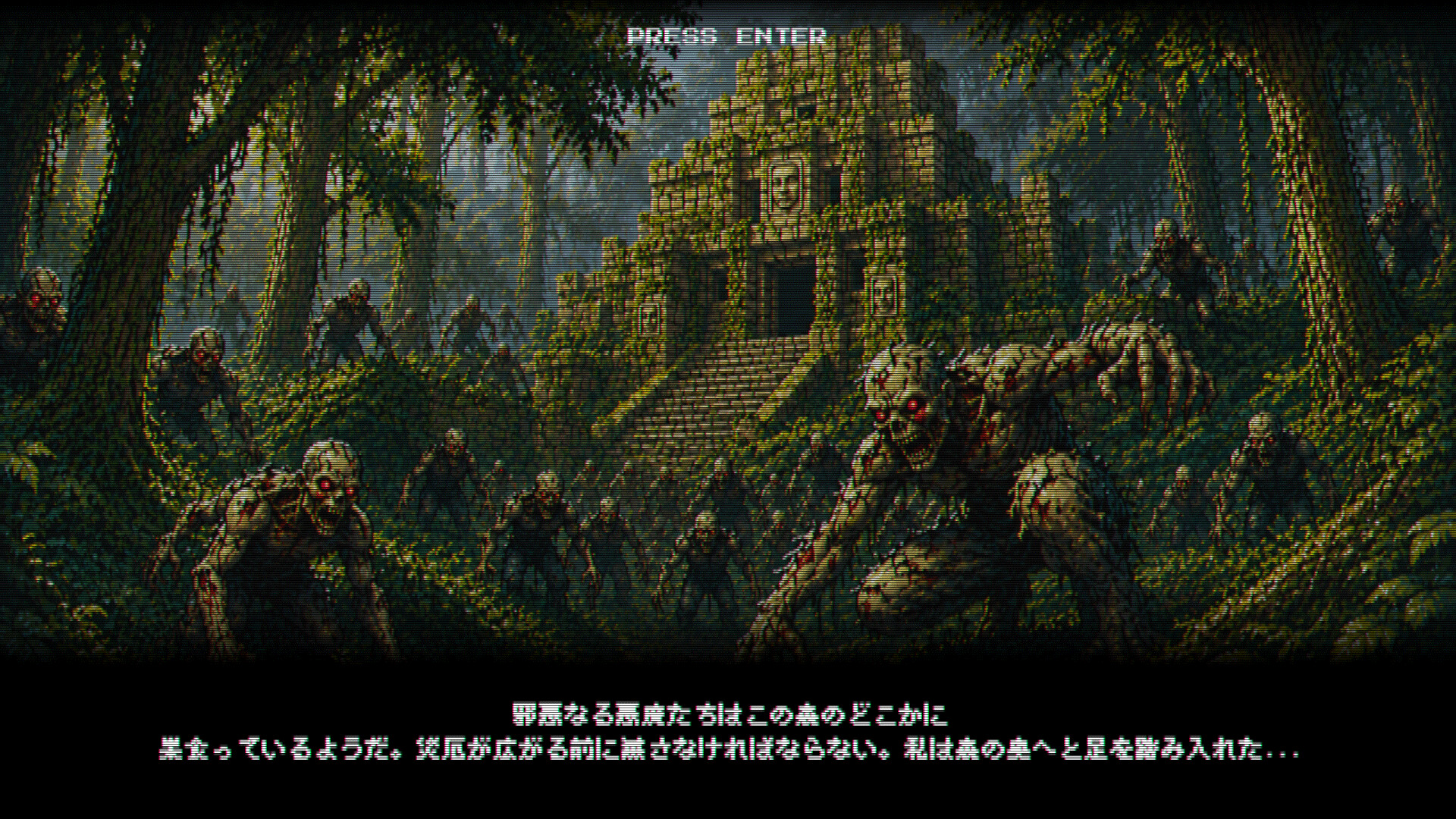
Juggernaut is planned for release on Steam in Winter 2026 and will be free-to-play. Asset Maker Pro is listed separately as downloadable content and is also scheduled to become available in the future.




KKB Community
1 comment
I think it goes without saying that I am completely against this, foundationally, but them naming the studio “Future Gadget Laboratory” feels like extra insult.