
The history of SciADV as a series and the history of the Xbox are fundamentally intertwined. After all, SciADV as a franchise started off on the Xbox 360, in an era where Xbox had a large and dedicated user base in Japan. But at the same time, SciADV’s decline also very much had to do with decisions surrounding releases on the Xbox—decisions that would forever change the direction the series went in.
Now, as of the day I am publishing this article, it has been exactly eight years since the last time a SciADV game was released on Xbox—that being Occultic;Nine for the Xbox One. So considering the occasion, I wanted to take a look back at the history of SciADV on Xbox from the beginning of the series, up until now. You can feel free to either watch the embedded video below or read the following article.
We begin this story in the year 2008, when Delusional Science NVL Chaos;Head launched for PCs in April, being one of the first projects by 5pb (now known as MAGES), and done in collaboration with visual novel powerhouse Nitroplus. Upon release, Chaos;Head was a tremendous success. And piggybacking off of that success, within less than a year after its launch, they would follow it up with an expanded director’s cut titled Chaos;Head NoAH, this time under the tagline of Delusional Science ADV, and formally starting the Science Adventure series. And for this expanded re-release, they wanted to port the game to console. At this point in time, it was early on in the seventh console generation. And despite the Xbox 360 having a lead in sales globally, the PS3 was a homegrown Japanese-made console. So within the country, the PS3 still outsold the Xbox 360 by roughly 3:1.
Yet despite the difference in sheer volume of sales, 5pb and Nitroplus decided to release Chaos;Head NoAH on the Xbox 360, which ended up turning out to be an incredible success, just like the PC version’s release. But why the Xbox 360? Why did they launch it on Xbox as opposed to a better-selling Japanese-made console like the PS3 or PSP? As per interviews, it was primarily for two reasons. The first was because the company strongly believed in the Xbox brand. At the time Chaos;Head NoAH was releasing, SciADV staff members indicated that quite a number of them within the team were diehard fans of the Xbox, a sentiment they would continue to share for several years afterwards.
The second was because the 360 was very easy to develop for with its infrastructure being similar to that of Windows PCs. This was a common reason why a lot of smaller Japanese developers in those days opted to release on the Xbox 360 in the first place — because developing games on it was much easier than it was for other consoles like the PS3. In contrast to the Xbox 360’s PC-like architecture, the PS3 had very unique hardware and particularly, a very unique cell processor. It is for this reason that many visual novel companies would first release on the Xbox as compared to the PS3.
And thus, 5pb, being one of the many visual novel companies who engaged in such practices, would continue to launch their future titles on the 360—including the next SciADV entry at the end of 2009—speculative Science ADV Steins;Gate. Just like Chaos;Head NoAH, yet again, Steins;Gate was a resounding success, selling over 50,000 copies within just a few weeks of its launch. Evidently, it was a sign that an initial release on the 360 followed by ports to other platforms at later points was a wise decision.
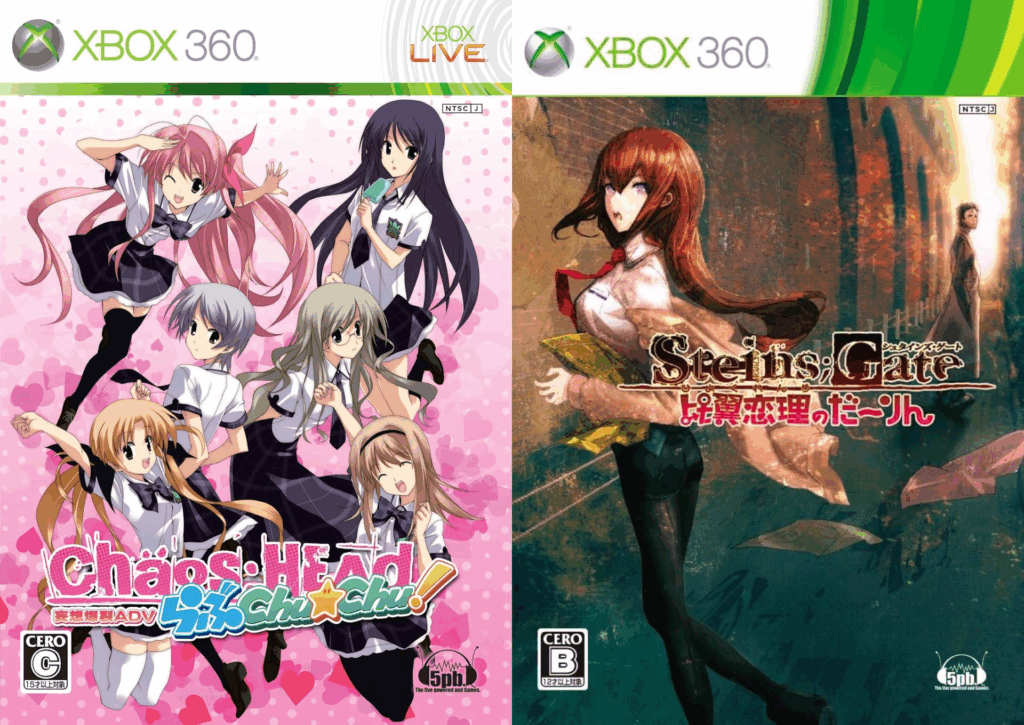
So from then on, the next several entries in the series continued to follow this general process—with both Chaos;Head Love Chu Chu and Steins;Gate: My Darling’s Embrace releasing on Xbox 360 first, before being ported to the PSP and later on, the PS3.
Where things had changed a little was in 2012, a point by which the seventh console generation was nearing its end. And so, with the launch of the third mainline SciADV entry, Robotics;Notes, released not only on the Xbox 360 but also on the PS3, representing the first time in series history that there was a cross-platform launch. And in the end, the PS3 version sold more than triple the number of physical copies as the 360 version did in its launch week.
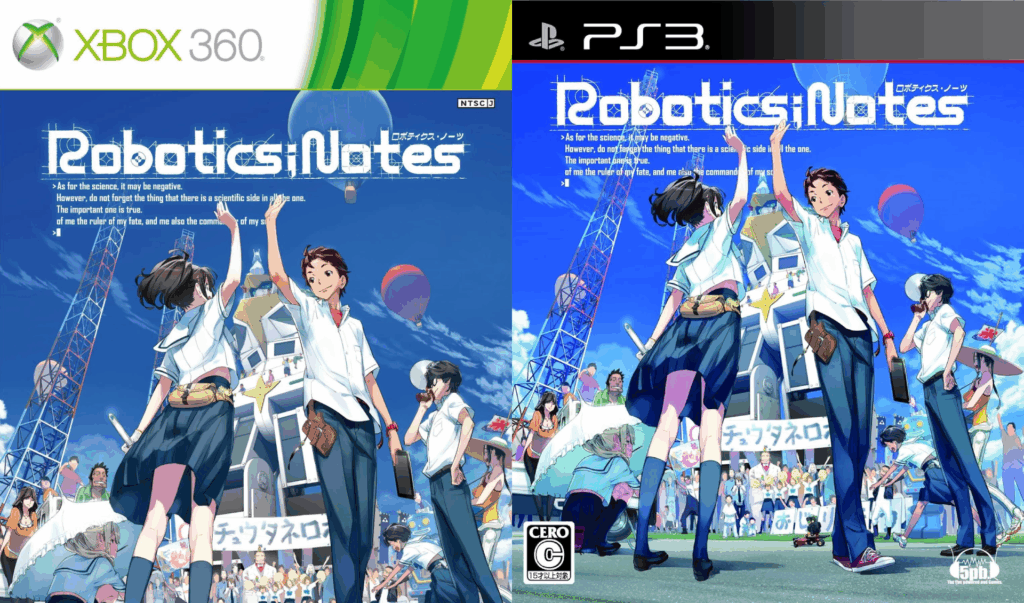
Seeing PS3 software and hardware sales ramp up significantly in the later stages of its lifetime, the entire video game industry in Japan began pivoting more towards PlayStation despite challenges in developing for it. After all, the disparity in their sales volumes only continued to grow. By the end of their life cycles, in Japan, the PS3 sold ~10.5 million units whereas the Xbox 360 sold just 1.6 million units.
And so, the following year in 2013, Steins;Gate: Linear Bounded Phenogram was also another cross-platform launch on both the PS3 and Xbox 360. Yet again, the PS3 version sold much more—in fact, it sold almost quadruple the number of copies as the Xbox 360 version did. Yet even despite signs of Xbox sales declining, MAGES as a company still strongly believed heavily in the Xbox brand.
But things for Xbox would forever change later that year with the reveal of the eighth generation Xbox—the Xbox One. At E3 2013, Microsoft and Sony would both formally announce the Xbox One and PS4. But while Sony’s E3 presentation ended up being a slam dunk, Microsoft’s presentation would end up turning into a PR nightmare for the company, facing strong backlash for a number of bizarre anti-consumer business decisions. Among the common complaints were the console’s high price point, mandatory connection to the internet, restrictions on game-sharing, forcible inclusion of the Kinect with the console, lack of launch markets, amidst so many other complaints.
Across the world, Xbox fans ended up feeling betrayed as a result of these decisions, but especially so in Japan. After all, the Kinect was not very positively received there to begin with, being a poor fit with the common space constraints of Japanese households. But worst of all, the Xbox One would not release in Japan for an entire year after its western launch. And during this year-long gap, many Japanese gamers who wanted to play on the next generation, just ended up transitioning over to the PS4. Or at best, they would import the consoles from abroad despite the lack of Japanese support and the lack of games localized in Japanese.
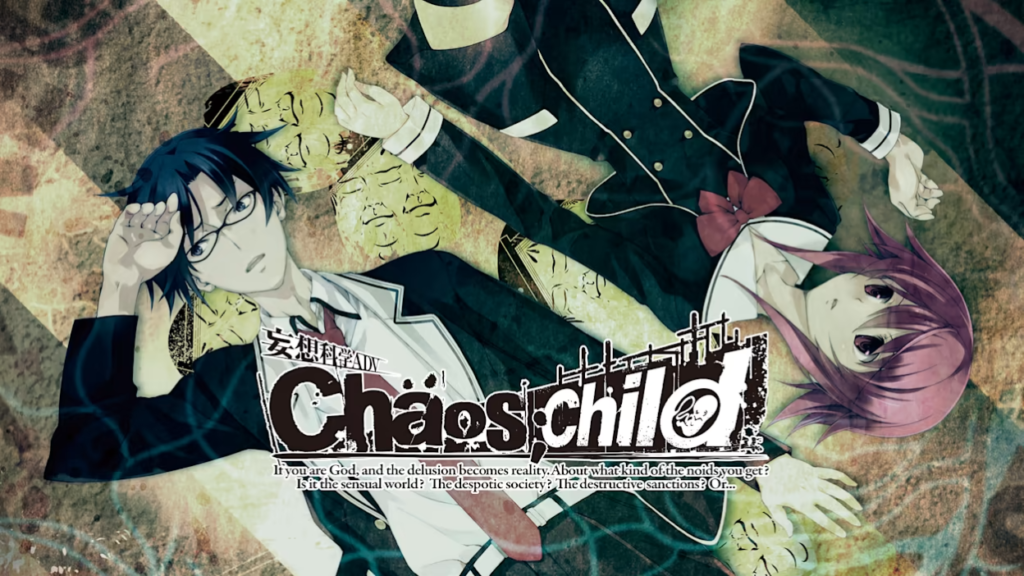
But throughout all this console release drama, the fourth entry in the Science Adventure series—Chaos;Child—remained under development. And despite the disparity in the reception of the announcements of the PS4 and Xbox One, MAGES still decided to make Chaos;Child an Xbox One exclusive, aiming to launch the game in close proximity to the console’s Japanese release. And as it turns out, this was a decision they actually made at the time of the E3 fiasco, with none of the backlash having changed their minds. They admitted that they had foreseen that Microsoft’s expectations of Xbox in Japan were falling. But a number of upper staff members were diehard Xbox fans. And since Chaos;Head NoAH released on Xbox first without a problem, they didn’t think that there would be any issue with releasing Chaos;Child as an Xbox exclusive in the same way that Chaos;Head NoAH initially was.
Moreover, another part of their rationale was that they wanted to get Microsoft to focus more on Japan through their efforts of Xbox exclusivity, and also to spearhead a visual novel market on the Xbox. Reading between the lines, it would seem like their motivations were capitalizing on an increased market share in the Xbox software market. But the number 1 goal of any business is supposed to be maximizing profit, not maximizing market share. And in a changing market where perceptions of the Xbox were declining, making the game an Xbox One exclusive was a foolish move.
From the looks of things, they didn’t anticipate the console performing nearly as poorly as it actually did. After all, the Xbox 360 still sold 1.6 million units, which was a small fraction of what the PS3 sold. But it still sold enough to have a solid following. However, the Xbox One was an absolute catastrophe. As of 2022, it was estimated to have sold just 115,000 units, a sales figure comparable to games within the already niche SciADV franchise.
As a result of the Xbox One’s failure in Japan, despite strong critical reception, Chaos;Child was a commercial flop at launch, selling a measly 1415 physical copies, less than 2% of what Robotics;Notes had sold during its launch. And in the fallout of this catastrophe, MAGES forever changed the direction the series went in—not just in terms of release platforms, but also from creative and marketing standpoints.

Within days of Chaos;Child’s launch, MAGES suddenly and very mysteriously cancelled Steins;Gate’s planned sequel: The Committee of Antimatter, which was just weeks away from its scheduled release date. And then within 3 months, they announced that Chaos;Child would be ported to PlayStation and that they would be making Steins;Gate 0, also for the PlayStation. When Chaos;Child did release on PlayStation in June of 2015, it sold more than 10 times the number of physical copies as the Xbox One version. But even so, its sales numbers were still significantly lower than that of the launch sales of each of the first three mainline games, and even a number of side entries. So by the time they ported Chaos;Child to the PlayStation, 6 months had already passed since its Xbox One launch, and the IP lost a significant amount of momentum. Thus despite their efforts, in the end, Chaos;Child was a commercial disappointment for MAGES. Had they adapted to the market situation and made Chaos;Child a cross-platform launch, or even a PlayStation exclusive initially, I firmly believe the IP would have fared much better in the long run.
But coinciding with Chaos;Child’s launch was the saga surrounding Antimatter and Steins;Gate 0. Whether they cancelled the Committee of Antimatter because they wanted to make a Steins;Gate 0 or they created Steins;Gate 0 to make up for having to cancel The Committee of Antimatter remains a matter of fandom speculation. But regardless of why, the cancellation of Antimatter, the conception of Steins;Gate 0, and Chaos;Child’s launch on Xbox One were all undoubtedly interconnected. I do not believe that the timing of these events is coincidental. For a long time, fans perceived that because the side material Steins;Gate 0 was based off of already existed, that Steins;Gate 0’s very existence was a result of financial desperation to recoup their losses from Chaos;Child’s launch flop on the Xbox One, as opposed to any narrative need. With Steins;Gate 0 being based off of existing material anyways, it was also a project they could rush out fairly quickly, which they did. It was released within a year of Chaos;Child’s launch and was made in mere months after its announcement. In fact, the 0 visual novel’s development time was so short, it ended up releasing somewhat unfinished, having made substantial cuts due to time constraints, such as the planned Fubuki route. And in the end, the Steins;Gate 0 anime had to functionally serve as a final route to the story as opposed to a conventional adaptation in order to fill in the remaining missing links in the narrative and conclude the overall story. Nevertheless, as a direct result of their endeavours, the Steins;Gate 0 visual novel sold over 100,000 copies by day 1—almost matching the lifetime sales of the Xbox One console in a single day. Fans may have their misgivings about Steins;Gate 0, especially as it stands in comparison to The Epigraph trilogy and its other pieces of source material. But nonetheless, the decision to make Steins;Gate 0 in the first place proved to be a wise move commercially.
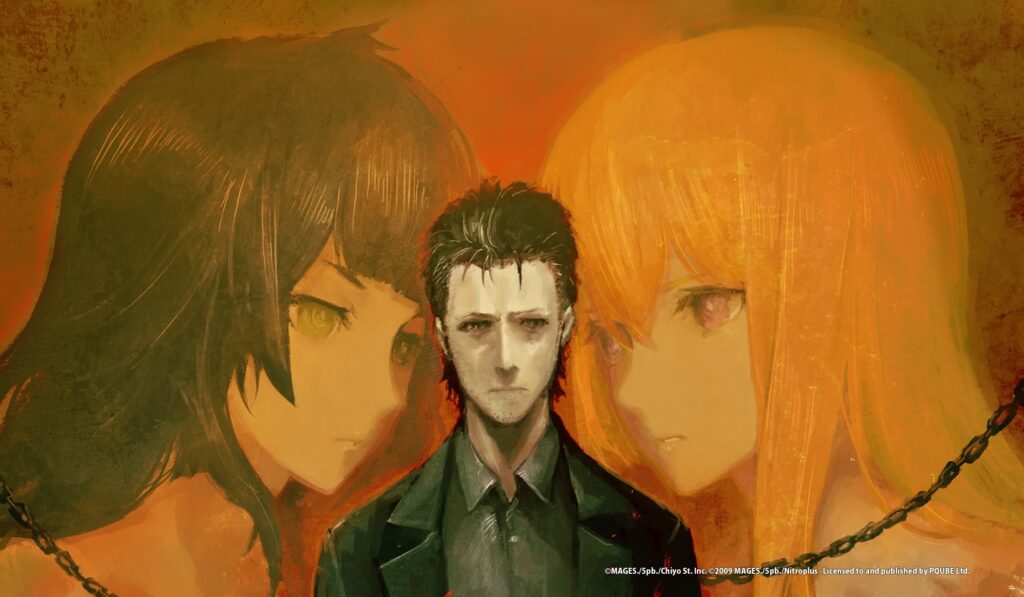
Years later down the line, series creator Chiyomaru Shikura would somewhat hint at the largely financial incentives behind the creation of Steins;Gate 0 at the time of the announcement of Steins;Gate’s thematic sequel, where he outlined the grave impacts that Chaos;Child’s commercial underperformance had on the company. There, he stated that Chaos;Child had only sold 10% of what Steins;Gate had sold in its lifetime, despite often being regarded as the best entry in the series by fans. Chaos;Child’s strong reception but financial underperformance was thus a key motivator for the concept of a Steins;Gate thematic sequel. And to many fans, if Chaos;Child’s commercial underperformance led to the idea of Steins;???, then it would seem likely that it also heavily contributed to the idea of and desire to make Steins;Gate 0 as well.
This point is also corroborated by the Steins;Gate 0 Amadeus Script guidebook, wherein series staff indicated that they were originally not too keen on needlessly adapting The Epigraph trilogy into visual novel format. But once Shikura proposed the idea of turning that kind of adaptation into a “Steins;Gate 2”, upon internal deliberations within the company, they figured they had no choice but to make “Steins;Gate 0”. Why did they feel as though they had no choice? I imagine it wasn’t just a matter of pure enthusiasm, but rather because of the financial pressure they would have been under at the time. Ultimately, from a creative standpoint, as the performance disparity between the Steins;Gate and non-Steins;Gate parts of SciADV grew after Chaos;Child’s launch flop, MAGES had gone deeper and deeper with hyperfocusing on the Steins;Gate subseries. They focused more on making new Steins;Gate-related projects. And in non-Steins;Gate subseries projects, their stories and marketing leaned heavily into connections with Steins;Gate. Heck, some entire projects were even created in an attempt to get Steins;Gate fans into the rest of the series, such as with Robotics;Notes DaSH. So evidently, there were major creative implications behind Chaos;Child’s commercial failure as a result of initially being an Xbox exclusive.

And from a platform standpoint, meanwhile, Chaos;Child’s disastrous launch and the Xbox One’s poor performance in Japan, made the company move away from Xbox for good. Never again would MAGES release a SciADV title as an Xbox exclusive. And it was only for the next few years afterwards, that they would show any signs of support for the Xbox to begin with, culminating in two final releases in 2017.
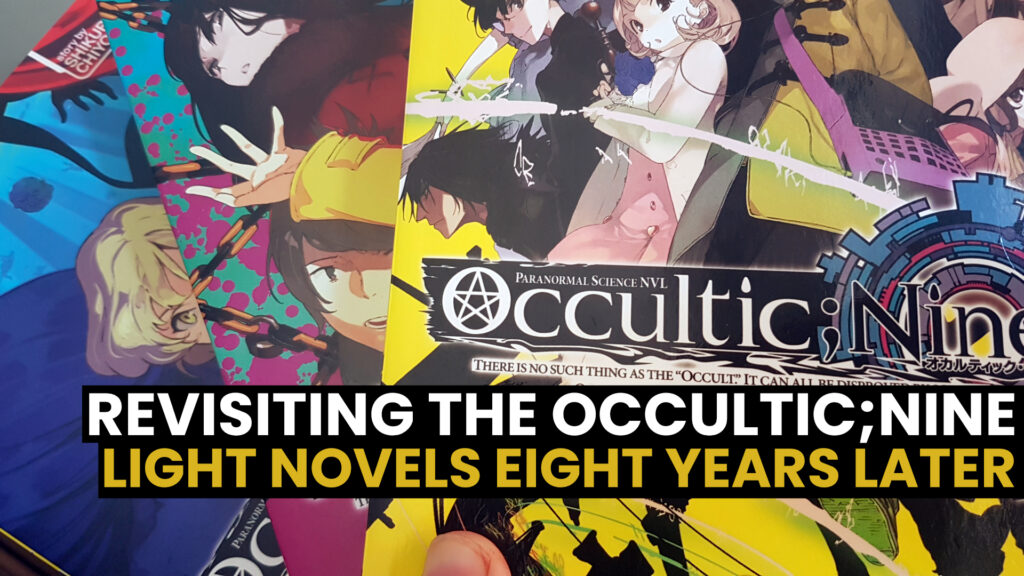
In February of that year, MAGES would drop an Xbox One port for Steins;Gate 0, despite publicly acknowledging low sales expectations. And later on in November, MAGES would release a SciADV game on the Xbox for a final time with Occultic;Nine. We are now eight years removed from the last time a SciADV game released on Xbox.
Could we expect to see SciADV return to the Xbox in the future? Most would seem pessimistic about the idea. But I think that maybe we could. It is true that in the aftermath of Chaos;Child’s launch, MAGES stopped supporting the Xbox like they used to, not even discounting their games on the Xbox store past 2017. But recently, things have changed with the company. A few months ago, for the first time in almost eight years, MAGES started running Xbox store sales again. And since the summer of 2024, MAGES has returned to releasing games on the Xbox as well, with the likes of Ogre Tale and Mystereet dropping on the Series X and Series S. And speaking of those two consoles, they have cumulatively sold a little under 700,000 units in Japan up to this point. While this is still less than half of what the Xbox 360 had sold, and a far cry away from the behemoths that are the Switch and PlayStation consoles, it’s still a solid enough number for Xbox releases to once again be viable. If this wasn’t the case, MAGES wouldn’t have returned to releasing on the Xbox in the first place. And with MAGES and especially SciADV becoming increasingly more international and Xbox’s sales being better outside of Japan, I think there is a possibility MAGES might be willing to release SciADV entries on Xbox again.
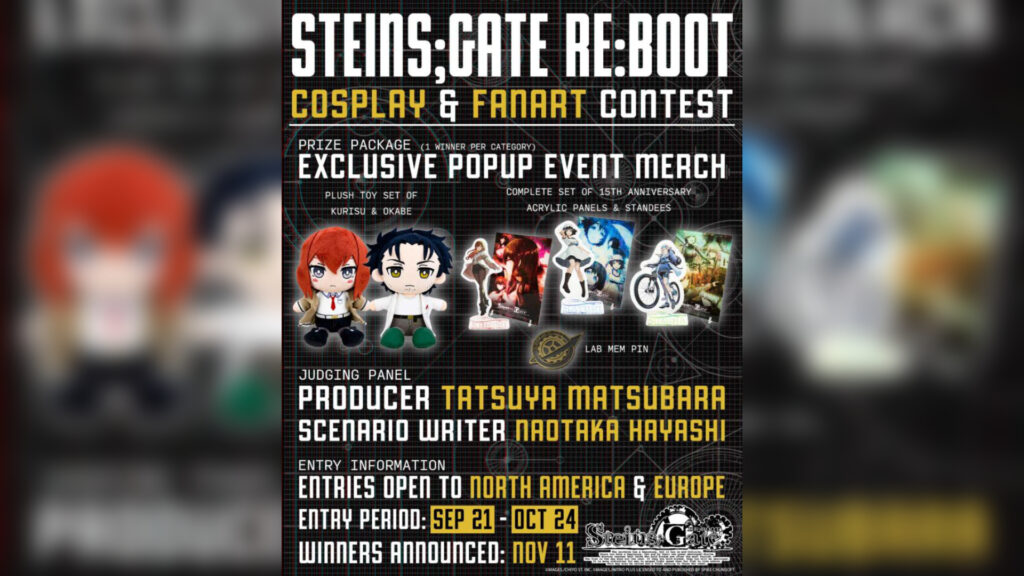
So whether it is with Steins;Gate RE:BOOT or another upcoming SciADV project, I wouldn’t be too surprised if one day, we see the franchise make a return to the console brand that started the series. But for now, we wait for that time. No matter what the case may be, SciADV is a series whose history is fundamentally intertwined with that of the Xbox. Its rise was built by the Xbox, with its earliest instalments having initially been Xbox-exclusive. But the Xbox One’s commercial failure forever changed the direction the series went in afterwards.
Special thanks to Martin and shout out to the regulars on Beyond the Gate—especially ItsRigs. Discussions I’ve had in that server on this topic were definitely a strong source of inspiration for this piece.
Though with that in mind, thank you for reading. Until next time, everyone.


KKB Community
0 comments