It has somehow been eight years since we reviewed the three available Occultic;Nine light novels here on Kiri Kiri Basara. Occultic;Nine, as a matter of fact, was one of the first SciADV entries we reviewed.
Back in 2018, I had already watched its anime adaptation, and I’d come away from it fascinated by its premise and characters, but somewhat overwhelmed by the speed at which it delivered them. Picking up the original novels felt almost like being given another chance to experience the story, this time with enough room to actually process what was happening.
I originally planned to revisit the books back in 2025 during our research for the Tokyo Project, but due to the project’s postponement and a very tight deadline, I opted to simply rewatch the anime instead. Recently, I finally decided to go back and read all three volumes again. And, surprisingly, my opinion has not changed all that much since 2018. As always, you can watch the video or read the article version below.
Occultic;Nine’s premise remains one of the most interesting concepts Chiyomaru Shikura has created. Its combination of supernatural phenomena, urban legends, conspiracy theories, and science is still incredibly compelling. If anything, revisiting the novels has reminded me just how much I like the story. Unfortunately, it’s also reminded me of its biggest problems.
The basic premise of Occultic;Nine remains brilliant. Yuta Gamon is the eccentric administrator of an occult-focused affiliate blog called Kirikiri Basara, which he hopes will eventually make him rich. Despite spending his days reporting on supernatural stories, Yuta himself approaches the occult with a healthy amount of skepticism.
Then, increasingly bizarre events begin unfolding around Kichijoji. Ghosts, fortune-tellers, black magic, psychics, curses, urban legends, and supposed paranormal phenomena gradually begin connecting nine seemingly unrelated people. Underneath all of that occult imagery is a larger mystery asking whether these supernatural events might have explanations that are far more complicated.
Naturally, the fact that Yuta’s blog is called Kirikiri Basara also gives Occultic;Nine a rather special place around here.
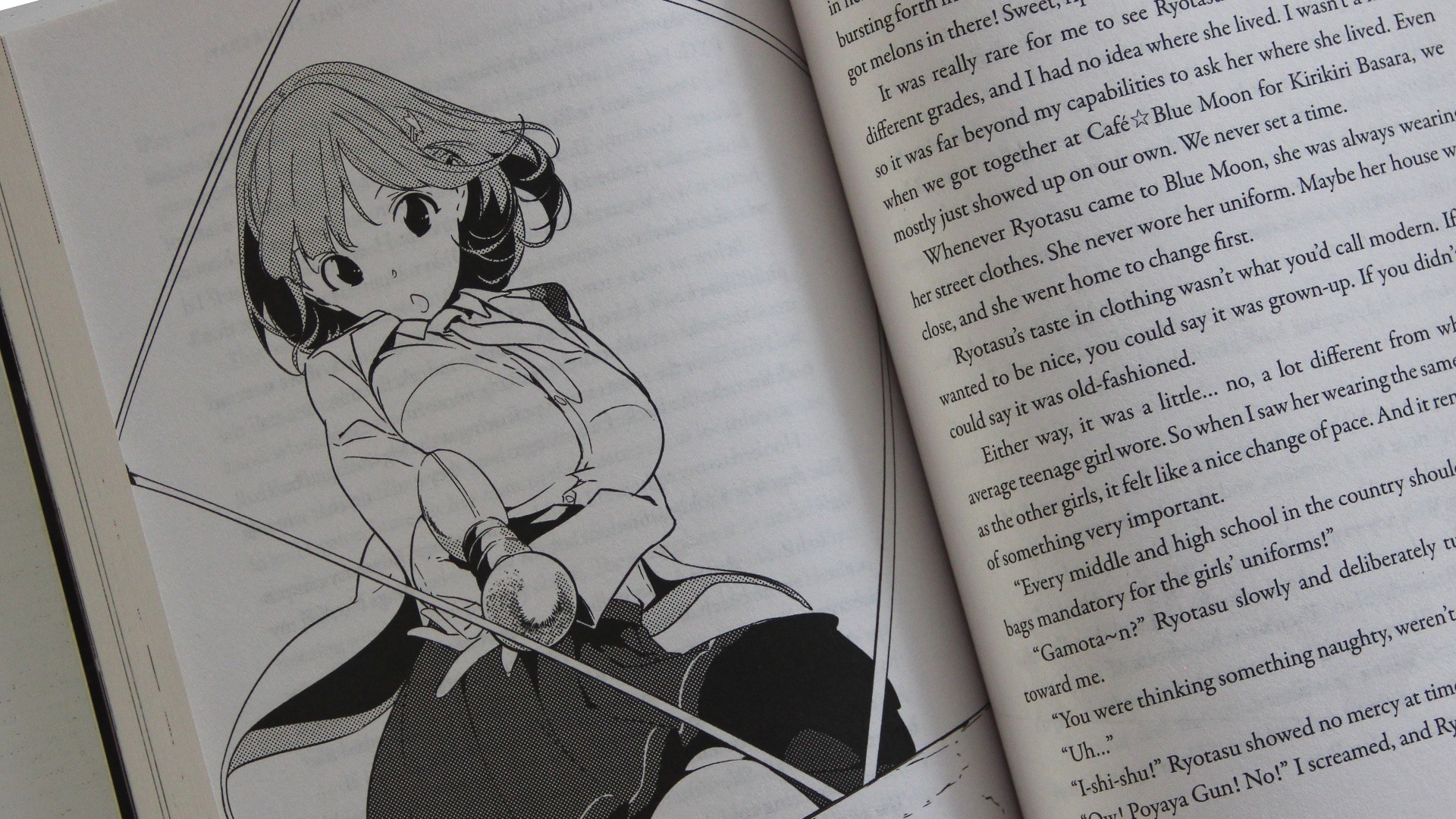
But what I particularly enjoy about the premise is the contradiction at its center. One of the Science Adventure series’s core principles is grounding its extraordinary concepts in realistic science and technology. Occultic;Nine takes a similar approach but reaches that point from the opposite direction. It fills its world with strange rumors, conspiracy theories, and paranormal concepts. At the same time, its characters are constantly questioning those ideas and searching for rules behind phenomena that initially appear impossible. It occupies a fun space somewhere between a ghost story and a scientific mystery.
Perhaps the biggest advantage the novels have is their structure. Rather than simply following Yuta throughout the entire story, chapters regularly move between the perspectives of its various characters. Hence, we get to see events through Yuta, Ryoka, Miyuu, Sarai, and the rest of the ensemble, with each character possessing different information, motivations, and interpretations of what’s happening around them. On my original read, I considered this one of the series’s greatest strengths, and I still do.
Mystery stories naturally depend on controlling what information the audience receives, and Occultic;Nine turns that into part of its structure. One character might discover something important without understanding its significance, while another possesses information that suddenly puts an earlier scene into an entirely different light. The reader is often several steps ahead of individual characters, but they’re rarely far enough ahead to see the complete picture.
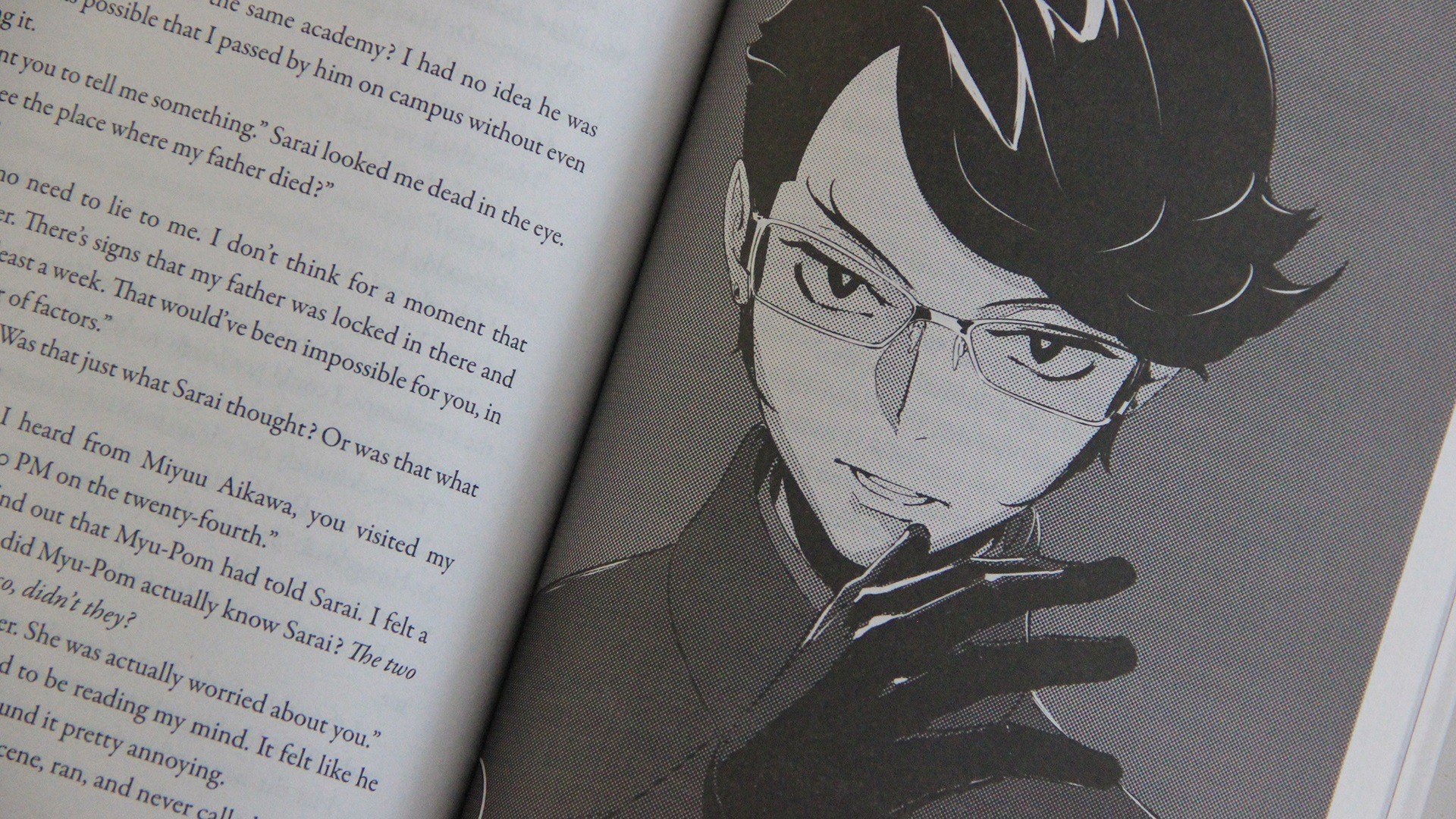
Volume 1 benefits the most from this approach. It spends a substantial amount of time establishing the cast, their daily lives, and the seemingly unrelated mysteries surrounding them. The first volume can certainly feel slow, but that kind of gradual buildup will be familiar to anyone who has spent plenty of time with the Science Adventure series.
Volume 2 shifts considerably more attention toward Yuta as these individual threads begin converging, while Volume 3 once again spreads its perspective more widely as the scope of the mystery expands. It’s an unusual structure, but it fits Occultic;Nine incredibly well.
This is probably the area where my opinion became even stronger during my revisit. The Occultic;Nine anime looks great, has a fantastic sense of style, and features some wonderfully energetic direction. I still enjoy it. But good grief, does it move quickly.
Watching the anime before reading the novels back in 2018 left me with the feeling that I understood the general sequence of events without necessarily understanding all the connective tissue between them. Characters would introduce concepts, theories would rapidly develop, the scene would change, and before I had finished processing one revelation, another was already arriving.
The novels have the luxury of slowing everything down. There is considerably more internal dialogue, more background information, and more explanation surrounding the various subjects being discussed. You spend more time understanding why characters reach certain conclusions rather than simply being presented with those conclusions. That is particularly valuable for a story like this.
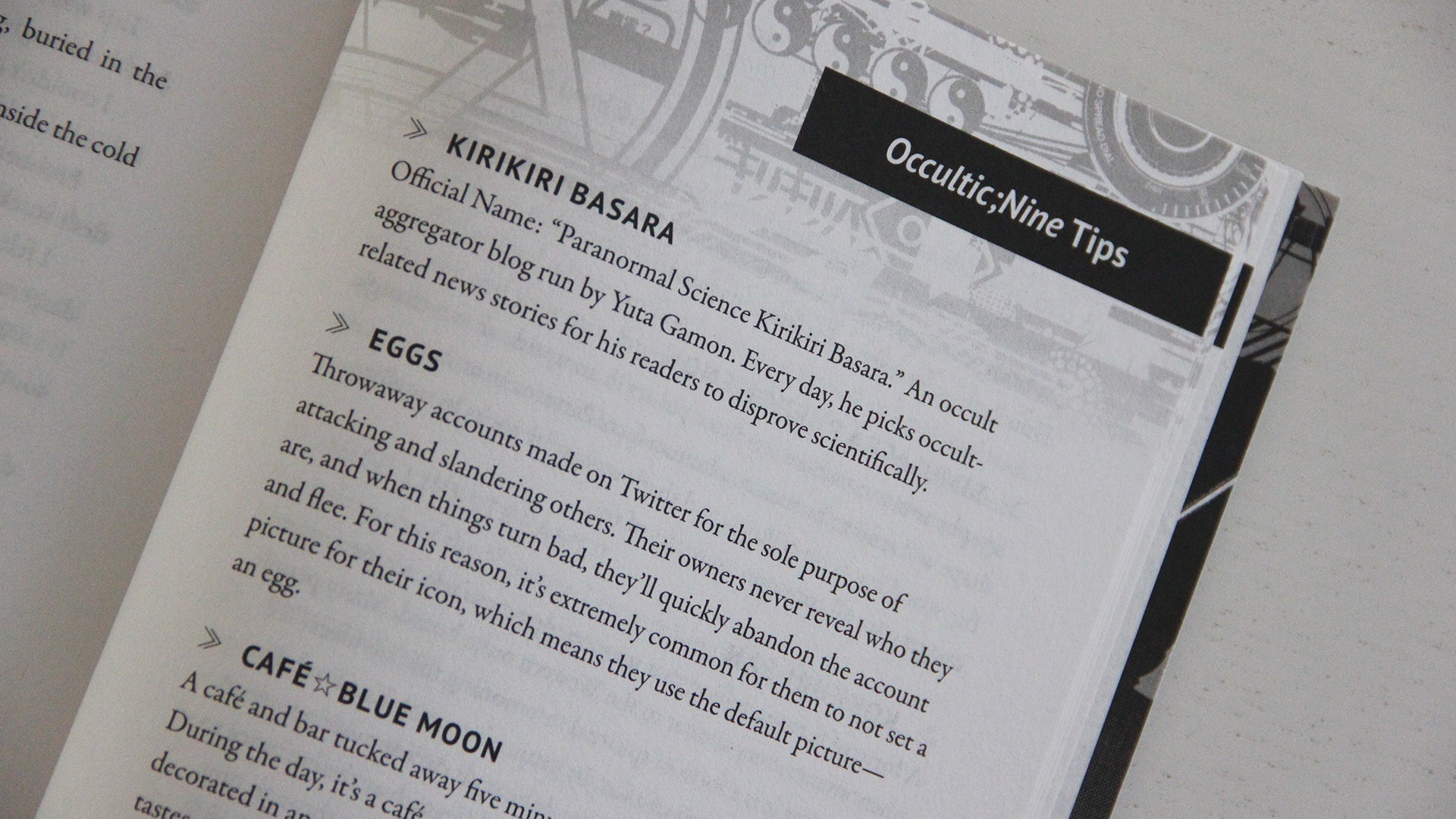
The included Tips sections even feel reminiscent of the Science Adventure visual novels, providing additional explanations for terminology and concepts encountered throughout the books. When Yuta encounters something that challenges his worldview, spending time inside his head makes his reaction considerably more meaningful.
That additional room also benefits the characters tremendously. Occultic;Nine presents deliberately exaggerated personalities. Yuta alone can be exhausting when you first meet him, bouncing between topics and thoughts at roughly the speed of an overclocked processor. But underneath those exaggerated characteristics is a genuinely interesting ensemble. The novels allow us to see far more of the characters’ thoughts, insecurities, and relationships than the anime has time to explore. Characters who can feel like pieces of a complicated puzzle in the adaptation become much more clearly defined individuals here.
Volume 3 provides perhaps the best example with Asuna Kizaki. Asuna enters the story relatively late as an FBI investigator examining the increasingly bizarre events occurring around Kichijoji. I highlighted her as one of my favorite additions back in 2018, and that opinion has not changed. A substantial portion of the third volume follows her investigation, essentially allowing the reader to work through the case alongside her. She brings a very different perspective from the existing cast and helps ground some of the increasingly supernatural developments in more traditional detective work.
At the same time, not every character receives equal attention. That was something I noticed in my original reviews as well. Despite the premise revolving around nine interconnected characters, Yuta inevitably becomes the central protagonist, while some members of the cast receive considerably less development than others.
This isn’t necessarily a serious problem, but with such an interesting cast, I frequently found myself wishing certain characters had been given more time. Perhaps that time was supposed to come later, which brings us to the series flaw we cannot really avoid.
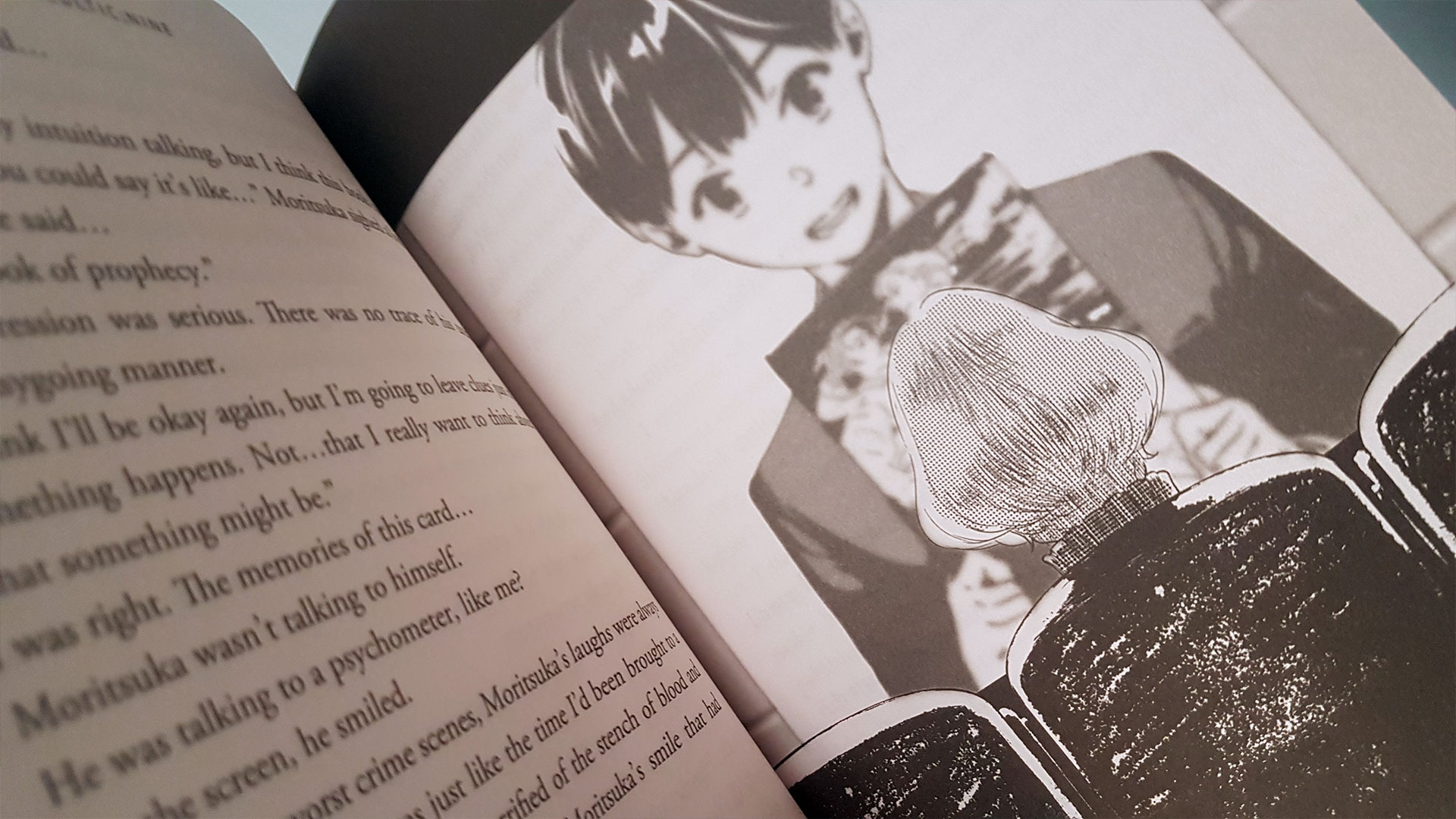
When I reviewed Volume 3 several months later, I wrote that the story seemed to be moving toward its conclusion, but no release date had been announced for Volume 4. I did not expect that I’d still be able to write essentially the same paragraph in 2026. As of 2026, Occultic;Nine remains a three-volume light novel series without a conclusion. Publisher J-Novel Club’s English series page still contains only Volumes 1 through 3, and the planned fourth volume was never published in English or Japanese. And unfortunately, Volume 3 very clearly isn’t an ending. This is easily the largest caveat when recommending the books today. The anime has an ending. The visual novel has an ending. But the original light novels, the version with the detailed storytelling, internal perspectives, and slower mystery building that I like the most, simply stops.
It is particularly frustrating because Volume 3 feels like the point where Occultic;Nine is preparing to cash in on everything established by the previous books. Important questions receive answers, the larger conspiracy becomes clearer, and the characters are finally beginning to understand the true nature of their situation. And then there is no conclusion.
There’s always the possibility that Occultic;Nine could return someday—stranger things have certainly happened. But after this long, I would strongly recommend approaching the novels for what they currently are rather than reading them with the expectation that Volume 4 is just around the corner.
Despite that rather substantial warning, I still think the light novels are worth reading, especially if you’re a SciADV fan. In fact, rereading them has reaffirmed that the book series remains my favorite way to experience the first major portion of Occultic;Nine, while also making my subsequent rewatch of the anime substantially more enjoyable.

The anime remains worth watching, particularly for its presentation, soundtrack, voice acting, and visual direction. But if you found its story confusing or simply felt like every character was speaking at 1.5x playback speed, the novels provide much of the context that the adaptation struggles to fit into twelve episodes.
Reading all three books again also reminded me just how much potential Occultic;Nine has. Its premise remains one of my favorites from Shikura: a group of eccentrics surrounded by ghosts, curses, and urban legends attempting to discover the logic hiding underneath the supernatural. Add a sprawling conspiracy, a fitting Kichijoji setting, pako’s distinctive illustrations, and a wonderfully strange cast, and there’s a lot here that still feels unique.
My criticisms from 2018 have survived the revisit too. Some characters remain underused. Yuta’s personality will certainly not work for everyone. And obviously, recommending an unfinished mystery novel is considerably harder when it has now remained unfinished for almost a decade. But I also came away from the novels appreciating them just as much as I did the first time. Maybe even more. Granted, I could admittedly be a little biased considering I work on the real-life Kiri Kiri Basara and have spent quite a bit of time exploring the real Kichijoji myself.

Back in 2018, I recommended reading the light novels before watching the anime because their additional detail made the overall story much easier to understand. Eight years later, I would still offer exactly the same advice. Just don’t finish Volume 3 expecting to immediately pick up the next book. We’ve been waiting for that one for a while.


KKB Community
0 comments